
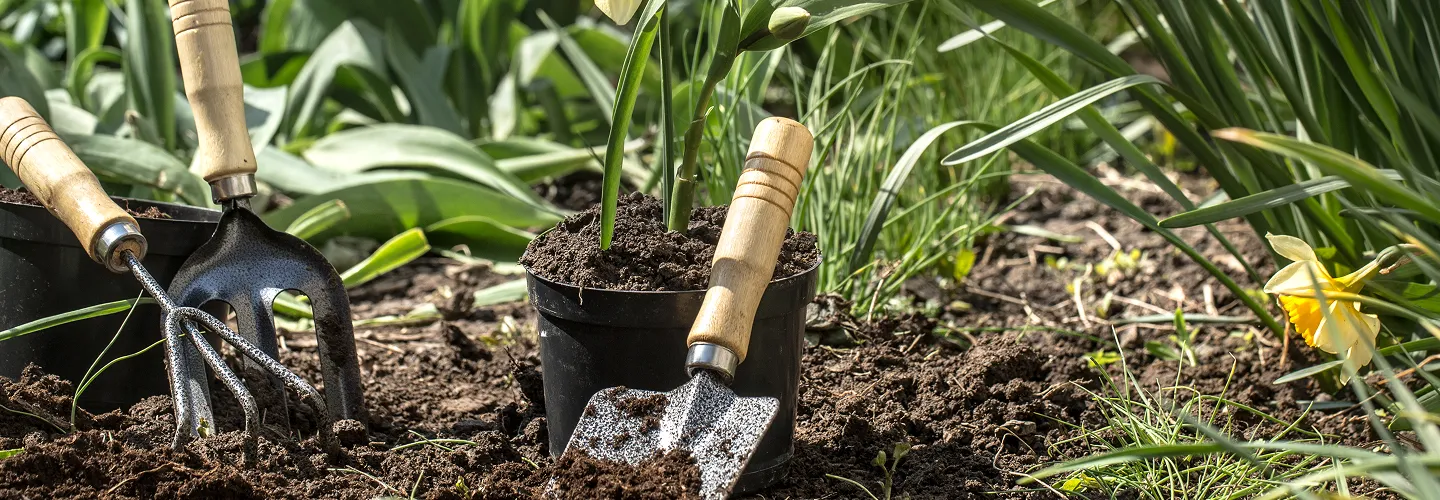
Windsor Weeding Services
Choose our expert weeding services for a healthier, more vibrant garden—our experienced team ensures thorough weed removal, protecting your plants and saving you time so you can enjoy a pristine outdoor space all season long.
Get a Free QuoteOur Windsor Landscaping & Yard Care Services
When to Schedule Weeding in Windsor, Connecticut – Seasonal Guide
In Windsor, Connecticut, the best times to schedule weeding are closely tied to our region’s unique climate and landscape. Early spring, just after the last frost date, is ideal for tackling weeds before they establish deep roots. This timing is especially important in neighborhoods like Poquonock and Wilson, where shaded yards and rich, loamy soils can encourage rapid weed growth. Late summer and early fall are also strategic periods, as cooler temperatures and increased rainfall can trigger a new flush of weeds, particularly in areas near the Farmington River or Northwest Park.
Local environmental factors play a significant role in determining the optimal weeding schedule. Windsor’s humid summers and occasional drought conditions can affect both weed proliferation and the effectiveness of removal efforts. Properties with dense tree coverage, such as those near Windsor Meadows State Park, may experience different weed cycles compared to open, sun-exposed lots. It’s also important to consider municipal guidelines and seasonal restrictions, which can be found on the Town of Sudbury’s website, to ensure compliance with local ordinances.
Local Factors to Consider for Weeding in Windsor
- Tree density and shade coverage
- Soil type (loamy, sandy, or clay)
- Proximity to water sources like the Farmington River
- Seasonal precipitation and drought risk
- Frost dates and temperature fluctuations
- Terrain and slope of the property
- Municipal restrictions or guidelines
Benefits of Weeding in Windsor
Enhanced Curb Appeal
Healthier Plant Growth
Reduced Pest Infestation
Improved Soil Quality
Time and Effort Savings
Professional and Reliable Service
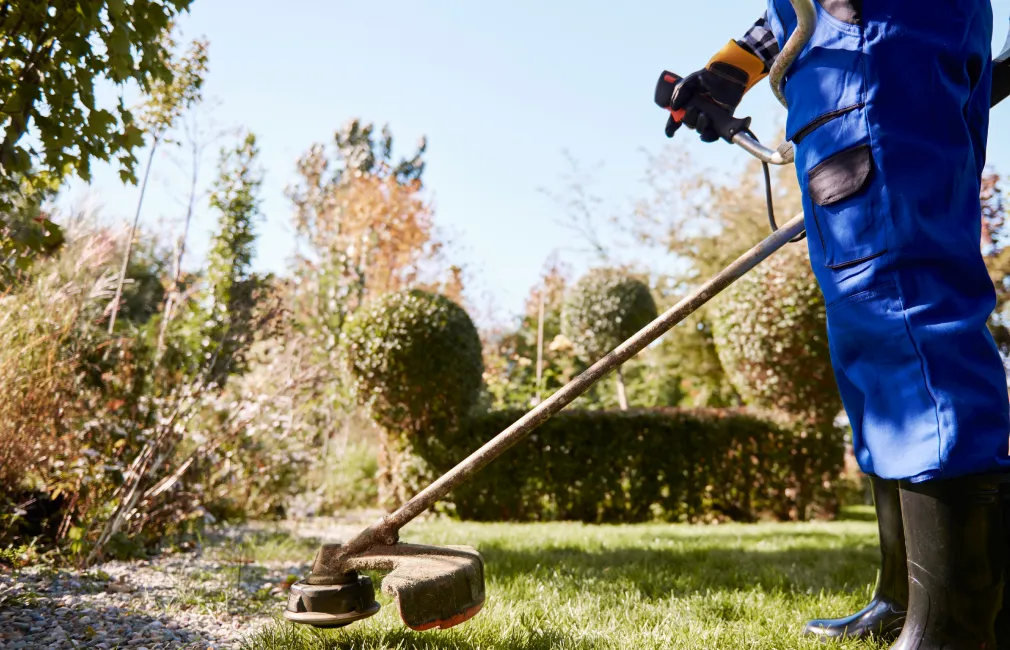
Windsor Weeding Types

Hand Weeding
-
Mechanical Weeding
-
Chemical Weed Control
-
Mulching for Weed Suppression
-
Flame Weeding
-
Organic Weed Management
-
Pre-emergent Weed Control
Our Weeding Process
Site Evaluation
Weed Identification
Targeted Removal
Soil Treatment
Final Inspection
Why Choose Windsor Landscape Services
-
Windsor Homeowners Trust Us
-
Expert Lawn Maintenance
-
Competitive Pricing
-
Professional Team
-
Satisfaction Guarantee
-
Personalized Service
-
Reliable Scheduling
Windsor’s Glacial Till Soils and Weeding Best Practices
Windsor’s landscape is predominantly shaped by glacial till soils, including the Paxton and Woodbridge series, which are moderately acidic (pH 5.5–6.5) and often poorly drained. These conditions favor the growth of persistent weeds such as crabgrass and plantain, especially in compacted or waterlogged areas. Effective weeding in Windsor requires soil testing—available through UConn Extension—to determine pH and nutrient status. Recommended practices include:
- Mechanical removal for deep-rooted perennials
- Mulching with 2–3 inches of organic matter to suppress annual weeds
- Lime application if pH falls below 6.0
- Compost incorporation to improve drainage and soil structure For detailed soil mapping, consult the USDA Web Soil Survey. Compliance with local soil management guidelines is overseen by the Windsor Conservation Commission.
Windsor Conservation Commission
275 Broad Street, Windsor, CT 06095
Phone: (860) 285-1987
Official Website: Windsor Conservation Commission
Yard Waste Collection and Weeding Debris Disposal in Windsor
Proper disposal of weeding debris in Windsor is regulated by the Department of Public Works. Yard waste—including weeds, leaves, and brush under 4 feet—must be placed in biodegradable bags or reusable bins (32-gallon maximum). Collection occurs every Thursday from April through November. Prohibited materials include plastic bags and branches over 4 inches in diameter. Residents must:
- Place containers curbside by 6:00 AM on collection day
- Separate yard waste from household trash
- Avoid placing debris in storm drains (violates MS4 permit)
- Use only approved containers Improper disposal may result in fines under municipal code. For up-to-date schedules and accepted materials, refer to the Windsor Department of Public Works.
Windsor Department of Public Works
275 Broad Street, Windsor, CT 06095
Phone: (860) 285-1855
Official Website: Windsor Department of Public Works
Environmental Compliance: Wetland Buffers and Stormwater Protection in Windsor
Weeding activities near Windsor’s wetlands, such as those adjacent to the Farmington and Connecticut Rivers, are subject to strict buffer requirements. A 25-foot no-disturbance zone is enforced around all regulated wetlands, and no yard waste or soil disturbance is permitted within this area. The Connecticut Environmental Protection Act and Windsor’s MS4 stormwater permit prohibit the discharge of organic debris into storm drains or water bodies. Key compliance steps include:
- Maintain 25-foot buffer from wetlands
- Do not apply herbicides or fertilizers within 50 feet of water bodies
- Prevent runoff by mulching and stabilizing bare soil
- Report violations to the Windsor Conservation Commission For further guidance, consult the Connecticut Department of Energy and Environmental Protection and EPA Region 1.
Connecticut Department of Energy and Environmental Protection
79 Elm Street, Hartford, CT 06106
Phone: (860) 424-3000
Official Website: Connecticut Department of Energy and Environmental Protection
Seasonal Timing and Weather Considerations for Weeding in Windsor’s Climate
Windsor is located in USDA Hardiness Zone 6b, with average last frost in late April and first frost in late October. Optimal weeding windows are:
- Spring: April 15 – May 30 (soil temp 50–65°F)
- Fall: August 20 – September 30 (before first frost) Avoid weeding during peak summer (June–August) to reduce soil disturbance and erosion risk. Monitor local weather forecasts through the National Weather Service for rainfall and temperature trends. For persistent weed problems, schedule mechanical removal after rainfall when soil is moist, which facilitates root extraction. Seasonal recommendations are available from UConn Extension, including integrated pest management strategies for Windsor’s climate.
Equipment Operation Hours and Safety Standards for Weeding in Windsor
Windsor enforces municipal noise ordinances for outdoor equipment operation:
- Monday–Friday: 7:00 AM – 7:00 PM
- Saturday: 8:00 AM – 6:00 PM
- Sunday and holidays: Prohibited Operators must use commercial-grade equipment with functioning mufflers and maintain noise levels below 85 decibels at property lines. Required personal protective equipment (PPE) includes:
- ANSI Z87.1 safety glasses
- Hearing protection for 85+ dB noise
- Steel-toed boots with non-slip soles
- Cut-resistant gloves for hand weeding All personnel must maintain a 15-foot clearance from overhead utilities and follow Windsor’s safety protocols. For regulatory details, contact the Windsor Building Department.
Windsor Building Department
275 Broad Street, Windsor, CT 06095
Phone: (860) 285-1960
Official Website: Windsor Building Department
What Neighborhoods Do We Serve Throughout Windsor, CT?
- Poquonock: Characterized by sandy loam soils and proximity to the Farmington River, this area requires careful buffer management and frequent weeding due to rapid weed growth in moist conditions.
- Wilson: Features compacted urban soils and smaller lot sizes, necessitating regular mechanical weeding and attention to drainage to prevent weed proliferation.
- Rainbow: Known for its larger lots and mature tree canopy, Rainbow presents challenges with shade-tolerant weeds and leaf litter accumulation.
- Deerfield: Located near conservation areas, Deerfield properties must comply with strict wetland buffer regulations and often face invasive species encroachment.
- Windsor Center: Historic district with mixed soil types and older landscaping, requiring sensitive weeding approaches to protect heritage plantings and comply with local ordinances.
- Hayden Station: Includes floodplain areas with poorly drained soils, making weed control and debris disposal critical to prevent stormwater violations.
- Matianuck: Suburban neighborhood with moderate clay content in soils, where regular soil amendment and mulching are recommended for effective weed suppression.